In the face of growing global challenges—soaring food demand, labor shortages, and the unpredictable impacts of climate change—modern agriculture must evolve.Drone spraying is a game-changing technology transforming how farmers manage their fields. By integrating drones for precise application of fertilizers, pesticides, and herbicides, the sector is witnessing a surge in efficiency, sustainability, and profitability. Whether you’re a farmer, an agribusiness professional, or simply a food-conscious individual, understanding this innovation is crucial to grasping the future of farming. Let’s explore how agricultural drone spraying is reshaping the landscape of agriculture.
The Benefits of Drone Spraying
1. Increased Efficiency and Cost Reduction
Traditional ground-based spraying methods are labor-intensive and time-consuming. In contrast, drone spraying can cover acres of farmland in a fraction of the time, thanks to their ability to fly over fields and apply chemicals uniformly. Studies show that drones can reduce man-hours by up to 80% and cut fuel costs by eliminating the need for large machinery.
2. Precision Application and Reduced Waste
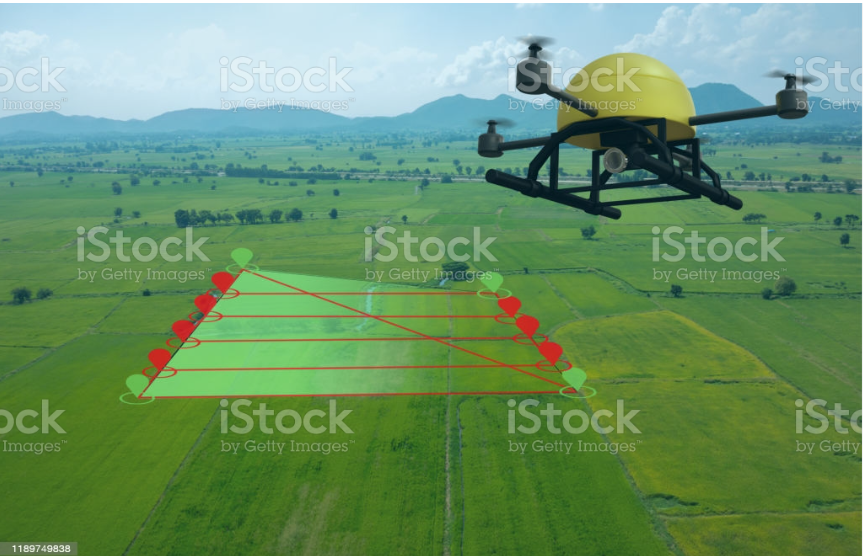
Drones use advanced GPS and sensor technology to map fields and identify areas requiring treatment. This precision ensures chemicals are applied only where needed, minimizing overuse and reducing environmental impact. For instance, a drone can target a patch with a pest infestation without spraying the entire field.
3. Environmental Sustainability
By cutting chemical usage and emissions, drone spraying supports eco-friendly farming. Traditional sprayers may lose up to 30% of chemicals to drift, while drones’ directed nozzles and low-level flight paths reduce this loss by over 90%.
4. Enhanced Safety
Farm workers often risk exposure to hazardous chemicals during manual spraying. Drones eliminate this danger, allowing operators to manage applications remotely from safe distances.
How Agriculture Drone Spraying Works
The magic of drone spraying lies in its technology. Most drones are equipped with GPS, LiDAR, or multispectral cameras to create detailed 3D maps of fields. Farmers upload field data to the drone’s software, which generates optimal flight paths and adjusts spray rates in real time.
Drones use variable rate application (VRA) to adapt chemical amounts based on soil conditions, crop health, and plant density. For example, a nutrient-deficient area receives more fertilizer, while healthy zones get less. This data-driven approach is made possible by artificial intelligence (AI) and machine learning algorithms that analyze imagery to detect issues like pest damage or nutrient deficiencies.
Spraying occurs at low altitudes (typically 1-3 meters), ensuring chemicals reach plant foliage without drift. The use of electric drones also minimizes carbon footprints, aligning with global sustainability goals.
Applications of Drone Spraying
1. Large-Scale Row Crops
Drones excel in vast fields of corn, soybeans, or wheat, where uniform application is essential. Their ability to navigate between rows quickly makes them ideal for large farms.
2. Hilly or Uneven Terrain
Traditional equipment struggles in hilly regions, but drones can easily access slopes and other challenging landscapes. This is a boon for farmers in mountainous areas like Nepal or the Andes.
3. Vineyards and Orchards
Precision is key in these settings. Drones can target individual plants or clusters without damaging delicate fruit or grapevines.
4. Small-Scale and Organic Farms
Even small operations benefit from drone spraying. The technology supports organic farming by enabling targeted applications of bio-pesticides or compost tea, reducing reliance on synthetic chemicals.
Challenges and Limitations
Despite its promise, drone spraying faces hurdles. High upfront costs can deter small farmers, though long-term savings on labor and chemicals often offset this. Regulatory issues also persist; countries like the U.S. and EU have strict guidelines for drone operations, including altitude limits and pilot licensing.
Technical challenges include battery life (most drones require recharging every 20-30 minutes), payload capacity (limited to 5-15 liters of liquid), and weather dependency—high winds or rain can disrupt flights. Additionally, managing the data collected by drones demands skills in AI analytics, which may require training or partnerships with agritech firms.
Real-World Case Studies
- Corn and Soybean Farms in the U.S.
An Iowa-based agribusiness adopted drone spraying to manage weed control. The drones reduced herbicide use by 30% and cut labor costs by 25%, boosting margins. - Napa Valley Vineyards (California)
A vineyard owner used drones to apply fungicides during a fungal outbreak. The targeted approach saved 40% of the typical chemical volume and enhanced grape quality. - Small-Scale Organic Farms in India
A farmer in Maharashtra leveraged drones to spray compost tea, increasing yields by 20% and reducing synthetic fertilizer reliance.
The Future of Agriculture Drone Spraying
As demand grows, innovations are accelerating. Next-gen drones will integrate AI for smarter decision-making, such as identifying pests in real time and adjusting spray rates accordingly. IoT (Internet of Things) integration will allow drones to sync with other farm equipment, enabling fully automated operations.
Battery technology and lightweight materials will extend flight times and payloads, while electric and hydrogen-powered drones will push sustainability further. Policymakers, too, are taking notice—subsidies and training programs are emerging to lower barriers to entry for smallholders.
Conclusion: Embracing the Drone Revolution
Agriculture drone spraying is no longer a futuristic concept—it’s a practical, scalable solution for farms of all sizes. By boosting efficiency, reducing costs, and safeguarding the environment, this innovation is poised to lead the next agricultural revolution. As technology evolves and regulations adapt, the adoption of drone spraying will grow, ensuring a food-secure future.